Travel Guide

Everything You Should Know Before Your First African Safari
Search Now

You’ve decided you’re going. Now come the real questions: what to pack, when to go, how much it actually costs, and what nobody tells you until you’re already there. We’ve put together the guide we wish every first-time safari traveler had, built from what we see travelers actually ask us, trip after trip.
Choosing Your Safari Destination

Where Should You Go?

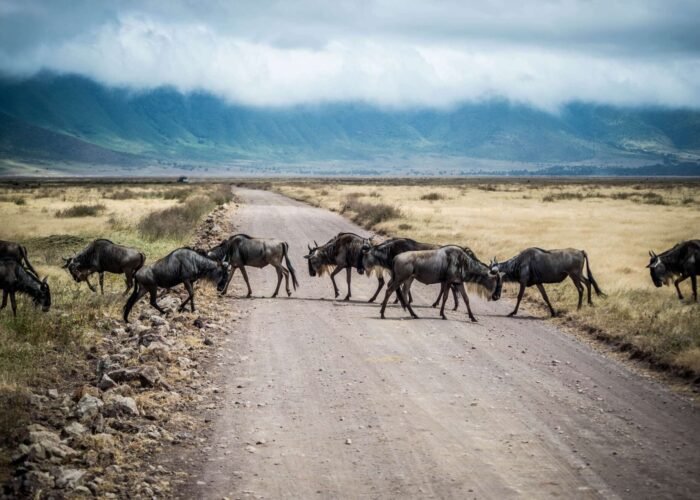
Tanzania Home to the Serengeti, Ngorongoro Crater, and Zanzibar’s beaches — the classic choice if you want the Great Migration and a beach chapter in the same trip.

Kenya The Maasai Mara, Amboseli, and Tsavo deliver some of the continent’s most reliable wildlife sightings, alongside vibrant Maasai culture.

Uganda The place to go for gorilla trekking in Bwindi Impenetrable Forest, plus genuinely diverse wildlife across Queen Elizabeth and Murchison Falls National Parks.

Not sure which fits what you’re after? Tell us what you’re hoping to see and we’ll point you the right direction.

Accommodation & Getting Around

How You'll Travel and Where You'll Sleep

Safari Accommodation & Transportation

⇀ Luxury Lodges & Tented Camps: Premium comfort in the middle of the wilderness — the kind of place where “roughing it” means a slightly shorter hot-water window.

⇀ Mid-Range & Budget Options: Real safari experiences without the luxury price tag — comfortable, well-run, and plenty close enough to the action.

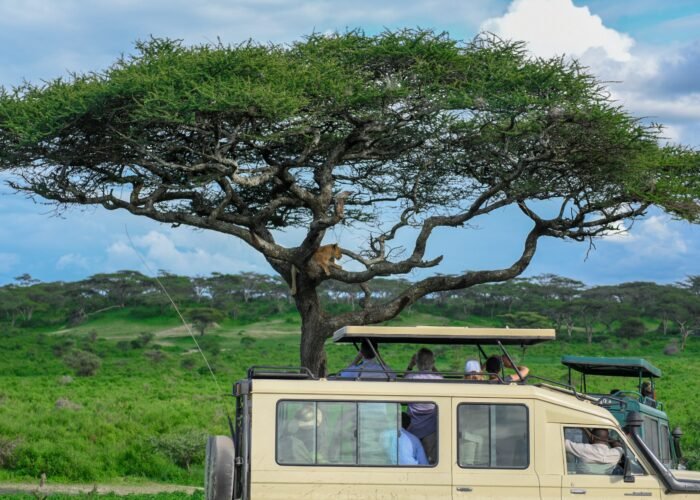
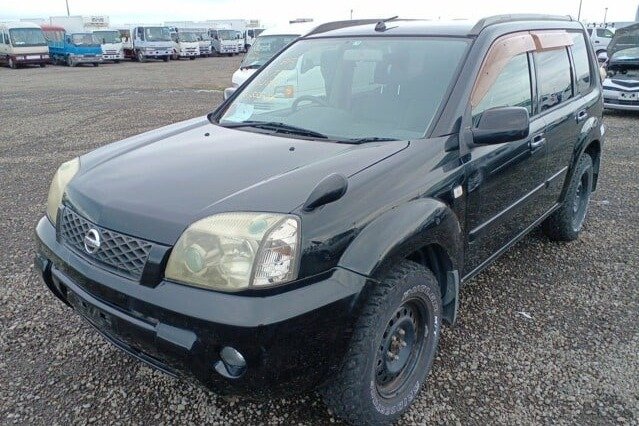
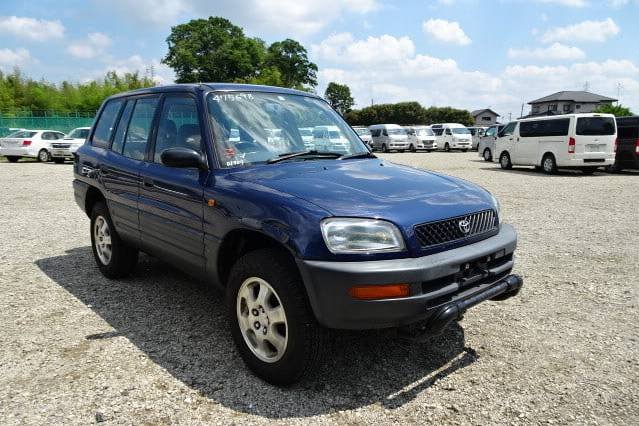
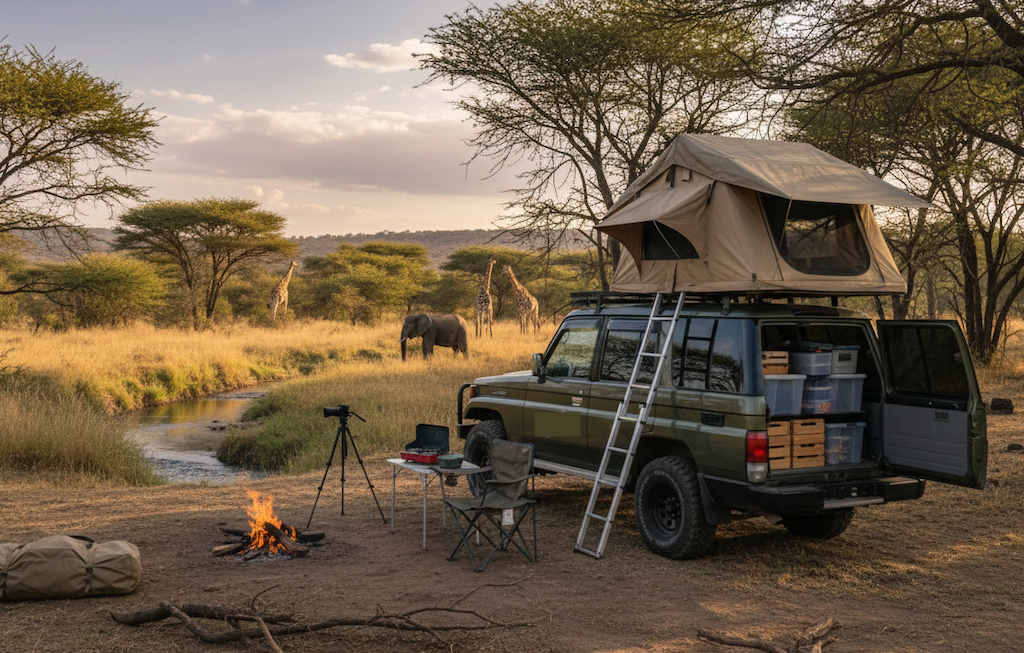
⇀ Self-Drive vs. Guided Safaris: A guided safari puts a local expert behind the wheel and in charge of every decision. A self-drive safari hands you the keys and the freedom to set your own route. Neither is “better” — it depends on how much you want handled for you versus how much you want to discover yourself. Compare Self-Drive → Compare Guided →

Safari Etiquette - How to Behave in the Bush

⇀  Respect the wildlife — keep a safe distance, and never feed the animals

⇀  Follow your guide’s instructions — they read this environment better than you ever will in a week

⇀  Keep noise down — a startled animal is a lost sighting for everyone in the vehicle

⇀  Leave no trace — pack out what you bring in, and respect the land you’re a guest on

Staying Safe on Safari - Safety Tips for Safari Travelers

⇀ Stay in your vehicle unless your guide specifically tells you it’s safe to step out

⇀ Be aware after dark — many animals are most active at night, so stick to designated areas once the sun goes down

⇀ Secure your valuables and avoid carrying large amounts of cash

Cultural Insights & Local Interactions - Traveling With Respect

⇀ Respect local traditions — customs vary across Tanzania, Kenya, and Uganda, and a little awareness goes a long way

⇀ Learn a few words of Swahili — “Jambo” (hello) opens more doors than you’d expect

⇀ Support local communities — shop at local markets and choose activities that put money directly into the places you’re visiting

When to Go - Best Time for a Safari

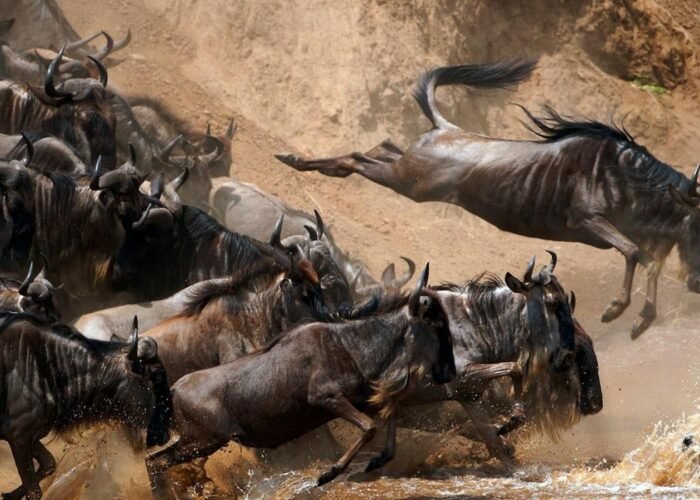
☀️ Tanzania & Kenya — Dry seasons (June–October & January–February) for the best wildlife viewing, with the Great Migration peaking July–September.

🦍 Uganda — Gorilla trekking is best in the dry seasons (June–August & December–February), though safaris here run well year-round.

Documents & Requirements - What You'll Need Before You Fly

⇀  Visa — most visitors need one; eVisa options exist for Tanzania, Kenya, and Uganda

⇀  Yellow Fever Certificate — required if you’re arriving from or transiting through a yellow-fever-endemic country

⇀  Travel Insurance — comprehensive coverage (medical, evacuation, cancellation) is strongly recommended, not optional

Health & Vaccinations - Staying Healthy on the Road

Malaria prevention — Tanzania, Kenya, and Uganda are all malaria-prone; take antimalarial medication and use repellent consistently

⇀ Other recommended vaccinations — Hepatitis A & B, Typhoid, and Rabies

Full details here: Health Issues and Rescue

Responsible & Sustainable Travel - Leave the Place Better Than You Found It

Choose ethical operators who actively support conservation, not just claim to

⇀ Reduce plastic use — bring a reusable bottle and eco-friendly toiletries

⇀ Respect wildlife and nature — stay on marked tracks and keep noise to a minimum

This is a principle we build into every trip we run — read more about our approach to sustainable tourism.

What a Safari Actually Costs - Budgeting for Your Trip

Tier Cost
Luxury Safaris $400–$1,500 per person, per night
Mid-Range Safaris $250–$500 per person, per night
Budget Safaris $150–$300 per person, per night
Gorilla Trekking Permit (Uganda) $700
Gorilla Trekking Permit (Rwanda) $1,500

Want a number specific to your trip instead of a range? Get a free, no-obligation quote.

What to Pack

Your Safari Packing List

Clothing

Lightweight, neutral-colored clothing (avoid bright colors — they stand out to wildlife)
Long-sleeved shirts and pants for sun and insect protection
Comfortable walking shoes
A warm jacket for chilly mornings and evenings — safari mornings are colder than most people expect

Documents & Essentials

⇀ Visa
⇀ Passport & copies
⇀ Travel insurance details
⇀ Cash in small denominations for tipping

Gears

Binoculars for spotting wildlife
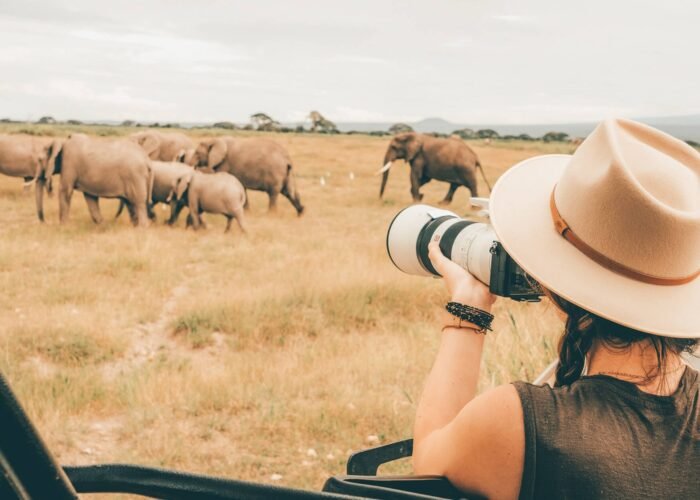
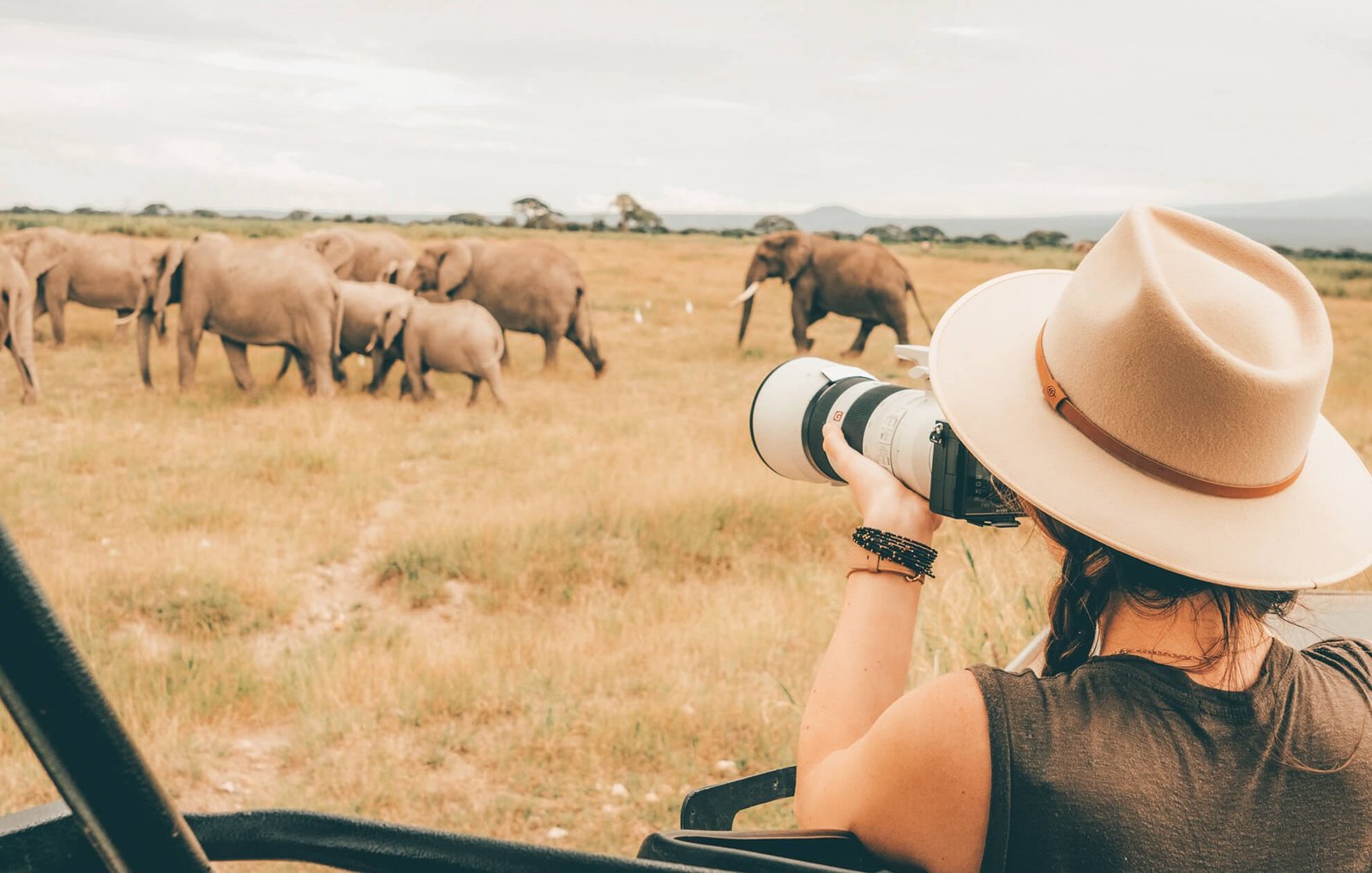
Camera with extra batteries and memory cards
Power bank & universal adapter
Sunglasses, hat, and sunscreen

Planning to climb, too? See our full Kilimanjaro packing guide for trek-specific gear.
Ready-Made Safaris to Consider

Once You Know What You Want

Prefer to drive yourself?

Still Have Questions?

You’ve read the guide, now let’s talk about your actual trip. Tell us your dates, your destination, and what you’re hoping to see, and we’ll help you turn “someday” into a booked itinerary.

Contact us Today!

WhatsApp +255 685 808332

info@privateexplorers.com