The Great Migration is a year-round circuit of more than a million wildebeest, zebras, and gazelles, and where they are depends on the rains. This rebuilt itinerary puts you where the herds are in peak season: two nights beside the Mara River in the Northern Serengeti for the river crossings, with three more Serengeti nights and a Ngorongoro Crater morning built around them. Your driver-guide checks herd positions daily with park rangers and other guides, then adapts the route to give you the best chance of a crossing or a calving scene. No migration sighting can be guaranteed, which is why the days are built with flexibility.
Great Migration
Duration: 8 Days / 7 Nights
Start/End: Arusha
Level: Mid-range lodge and tented camp
Group: Private, 2 to 6 guests
Best months: July to October (Northern Serengeti); December to March (calving, Southern Serengeti and Ndutu)
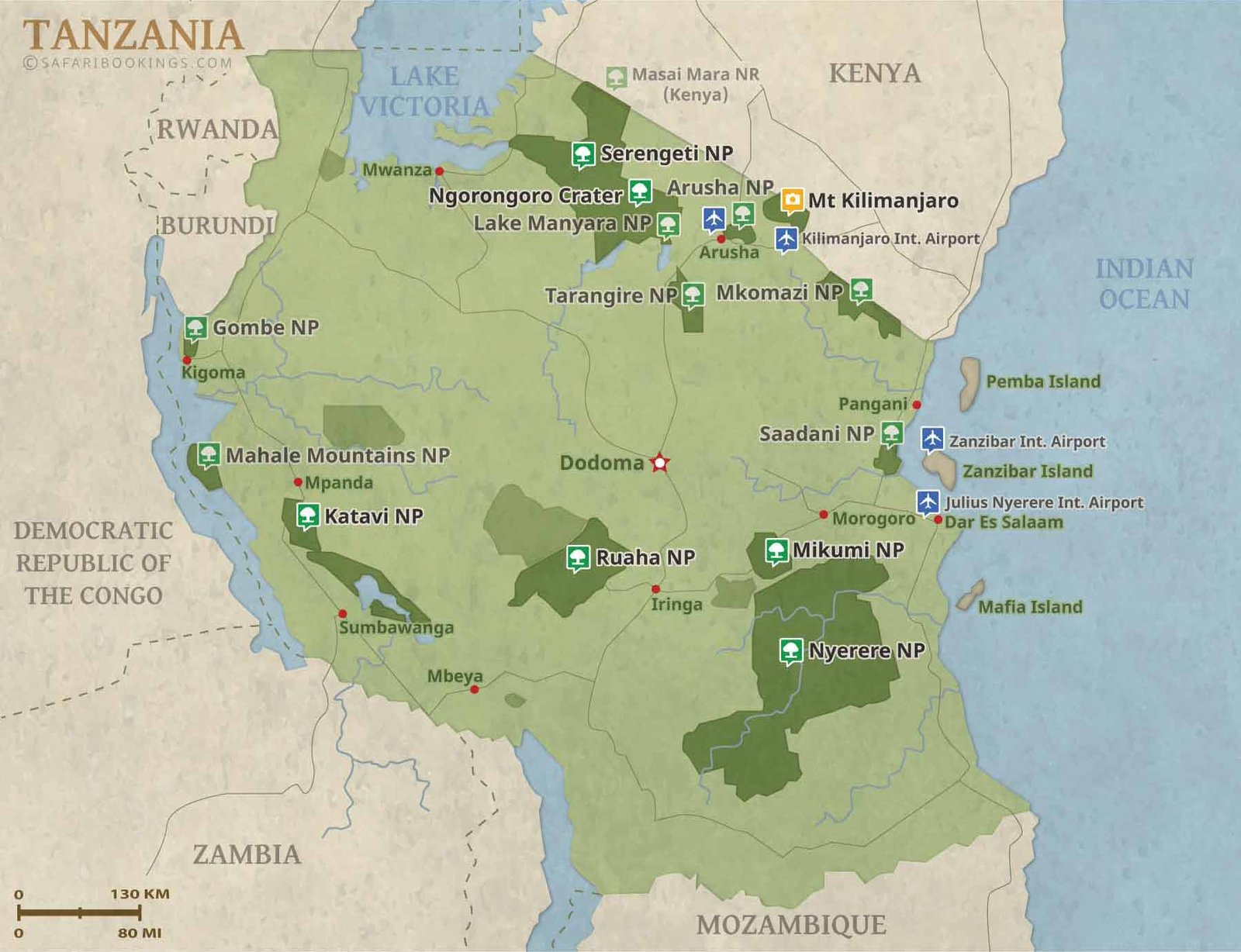
Day 1: Arusha to Tarangire National Park (L, D)
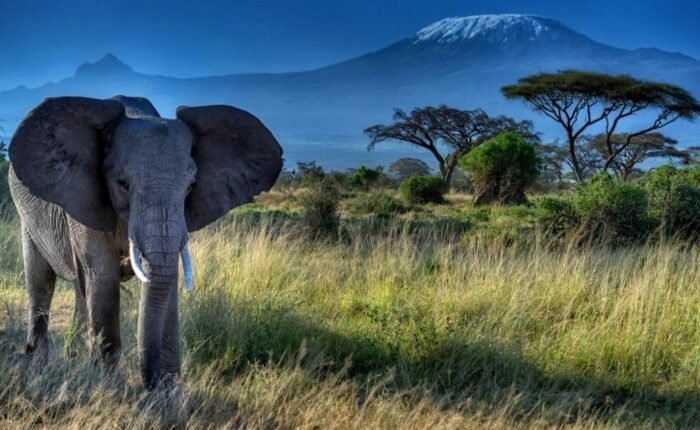
Meet your guide at your Arusha hotel around 8:00 AM and drive about 2 hours to Tarangire. Spend the afternoon on a game drive among the elephant herds and baobabs. Dinner and overnight at Baobab Tented Camp.
Day 2: Tarangire to the Central Serengeti (B, L, D)
A full travel-and-game day. Drive through the Ngorongoro Conservation Area, stop at the crater rim viewpoint, and enter the Serengeti via Naabi Hill gate (about 7 to 8 hours including game viewing). Evening game drive in the Seronera Valley, the most reliable area for leopards and lions. Dinner and overnight at Serengeti Mawe Tented Camp.
Day 3: Central Serengeti to the Northern Serengeti (B, L, D)
An early start and a game drive heading north through Kogatende (about 4 to 6 hours with wildlife stops), crossing the open plains where the big herds gather between July and October. Arrive at the Mara River area for an afternoon game drive. Dinner and overnight at Gnu Migration Camp Mara.
Day 4: Full day on the Mara River (B, L, D)
Your guide positions you at the river crossing points before dawn. Pack a bush breakfast and lunch and spend the day watching herds gather at the banks, with crocodiles waiting in the river. Crossings are unpredictable, so there is time to wait, then to track predators in the surrounding plains. Dinner and overnight at Gnu Migration Camp Mara.
Day 5: Northern to the Central Serengeti (B, L, D)
A final morning at the river, then drive back south, game viewing across the Central Serengeti. Optional dawn hot-air balloon flight is available on request (price on request, subject to availability). Dinner and overnight at Serengeti Mawe Tented Camp.
Day 6: Central Serengeti to Ngorongoro (B, L, D)
Sunrise game drive, then a drive south through the Serengeti and up to the Ngorongoro rim (about 4 hours). Sundowner at the crater rim. Dinner and overnight at Oldeani Ngorongoro Lodge.
Day 7: Ngorongoro Crater to Lake Manyara (B, L, D)
Descend at first light into the Ngorongoro Crater for 4 to 5 hours of game viewing, with a picnic lunch at the hippo pool, and a good chance of black rhino. Drive to Lake Manyara in the afternoon (about 1.5 to 2 hours). Dinner and overnight at Lake Manyara Kilimamoja Lodge.
Day 8: Lake Manyara and return to Arusha (B, L)
Morning game drive in Lake Manyara National Park (hippos, flamingos in the wet months, baboons and elephants), then drive about 2 hours to Arusha, arriving around 1:00 PM for lunch and airport or hotel drop-off.
Seasonal variation: December to March (calving season)
Replace Days 2 to 5 with the Southern Serengeti and Ndutu area, where hundreds of thousands of calves are born from late January to February. Day 2: Tarangire to Ndutu via the crater rim. Days 3 to 4: full days in Ndutu following the herds and predators. Nights 2 to 4 at Gnu Migration Camp Ndutu. Day 5: Ndutu to the Central Serengeti (Seronera) and Serengeti Mawe Tented Camp. Days 6 to 8 are unchanged.
Shoulder months (April to June, November to mid-December)
The herds shift: in June and early July they move through the Western Corridor and Grumeti, and in November they head back south. Your guide sets the exact route based on herd positions; there is no fixed variation.
Highlights:
Two nights on the Mara River, five Serengeti nights, a full day for river crossings, Ngorongoro Crater floor, Tarangire and Manyara, flexible herd-tracking route.
Included
Not included
| Season | Dates | 2 guests | 4+ guests |
|---|---|---|---|
| Migration season | 1 Jul to 31 Oct | $3,290 | $3,090 |
| Calving season | 16 Dec to 31 Mar | $3,090 | $2,900 |
| Shoulder season | 1 Apr to 30 Jun; 1 Nov to 15 Dec | $2,690 | $2,530 |
Single supplement: $380. Festive supplement (20 Dec to 5 Jan): $200 per person.
Booking advice: the July to October season books out 9 to 12 months ahead, especially for camps near the Mara River. We recommend a 30% deposit at confirmation.
Tanzania offers incredible wildlife experiences year-round, but the best time depends on your interests.
Yes, we allow date changes, subject to availability and our booking terms. If you need to reschedule, please notify us as soon as possible. Changes made within a specific time frame (e.g., 30 days before departure) may incur an additional fee, depending on accommodations and services already reserved.
We understand that plans can change. Our cancellation policy allows flexibility depending on the notice period. For detailed terms, we’ll provide all booking conditions during the reservation process, ensuring transparency and peace of mind.
Our cancellation and refund policy is designed to offer flexibility:
Yes, you can request changes to your itinerary, such as adding activities, extending your stay, or altering accommodations. Changes are subject to availability and may incur additional costs. Please contact us as early as possible to make adjustments.
To confirm your safari booking, a deposit of 30–50% (depending on the package) is required at the time of reservation. The remaining balance is typically due 30 days before your safari begins. We’ll provide detailed payment instructions and receipts for your records.
Yes, travel insurance is highly recommended to cover unforeseen events such as cancellations, medical emergencies, or trip interruptions. Many travel insurance policies also cover safari-specific needs like evacuation and loss of belongings.
Absolutely! We offer family-friendly safaris with activities tailored for kids, including shorter game drives, cultural experiences, and accommodations with family rooms. Your children will love learning about wildlife and nature in a safe and engaging environment.
At Private Explorers, sustainability is at the core of our operations. We: